REFLECTING on nearly 30 years in the flooring trade, it’s impossible not to notice how much has changed. Looking in the mirror, I’ll be the first to admit I have a lot less hair than I used to, and what’s left is certainly greyer. But beyond the personal toll of three decades in the business, our industry has undergone a profound transformation, even if some of the biggest challenges remain the same.
Products and pressure: It’s no surprise to anyone the market share of the products we install has changed massively. When I entered the industry, carpet and textiles held the lion’s share of the market, but that has waned as resilient floorcoverings have caught up and, in many cases, overtaken them.
The meteoric rise of LVTs and the adoption of new standards for safety and non-slip flooring have fundamentally changed our daily work.
However, this variety comes with modern pressures. The industry is more competitive than it ever has been. We face tighter margins, more demanding timelines, and the constant pressure of dotting the i’s and crossing the t’s. Although, while I feel it was more relaxed ‘back in the day’, I suspect I may be guilty of a bit of being slightly nostalgic.
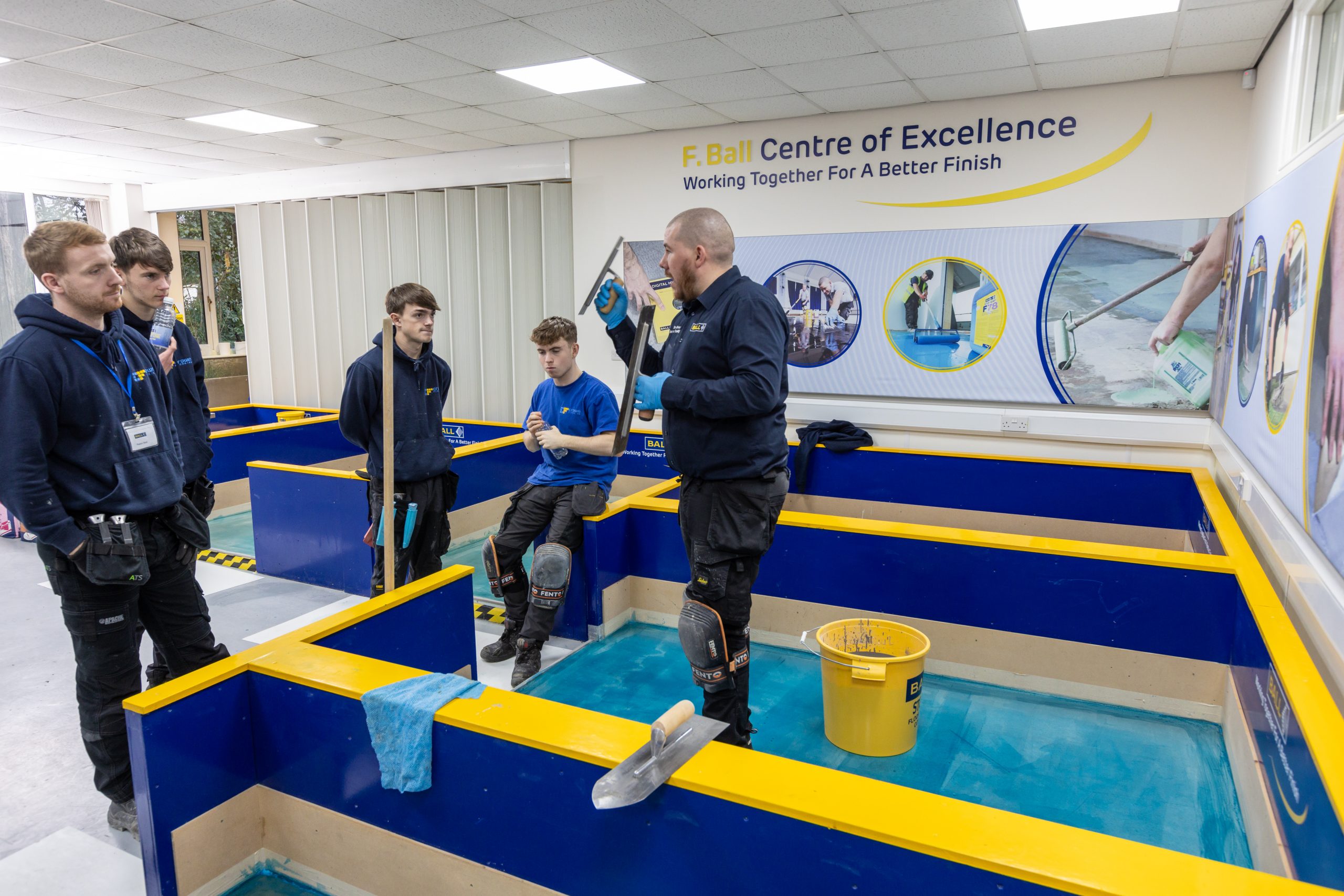
Professional shift: Where we have seen a definitive change for the better is in the perception of our craft. When I started, flooring wasn’t always regarded as a true construction trade. Today, it stands on par with any other. This is reflected in qualifications – we’ve moved from Level 2 apprenticeships to Level 3 (or Level 6 in Scotland). It’s supported by a massive amount of post-qualification training and manufacturer backup, like the kind offered by FITA at its training centre and at the F Ball Centre of Excellence.
There’s also much more engagement from manufacturers to revise and update British Standards and how we do things.
Some things stay the same. Payment and retentions remain the biggest hurdles for our members. While we’ve worked tirelessly with other trade associations to get these issues on the government’s radar, we’re still a long way from a perfect world. The fight for fair treatment and timely payment remains a core focus of our collective efforts.
Looking ahead: Despite the challenges, our industry is going from strength to strength, with a highly professional and skilled workforce. Many of us have been here a long time, which suggests that, on some level, we must enjoy it. It’s still very much a people business.
Change is inevitable, and it’s how we react to it that matters. You can moan about it, or you can diversify and adapt to keep moving forward.
* Alan McEwan is F Ball and Co technical representative and CFA president