How a flooring contractor borrows 2005 Ashes-era cricket lessons to build stronger installation teams. By Dave Caldwell, managing director, OSS Commercial Flooring.
WHEN it comes to keeping installation quality consistent across different projects and sites, persistency is key. I was told once you’re only as good as your worst fitter on their worst day, and that stuck with me.
Everyone can have a bad day, but ideally not alone. That’s why I team people up, balancing out the yin and yang on every project. Pairing the right people ensures the job gets done to standard, even when someone’s having a rough day.
I’ve got a team of 12 guys who operate well together, and I try to read them. If someone looks fatigued, stressed or in need of a break, I won’t put them on a project that will push them too far. Instead, I’ll pair them with someone more motivated who can lift their energy. I check in regularly to make sure everything’s on track.
It’s more about managing people than managing the work itself.
Everyone has their own life and pressures, they don’t need me shouting at them. My job is to point them in the right direction and keep their environment right so they can focus on doing the best work possible. I’m always thinking: are they away too much, missing family, on night shifts too long, or paired with someone not pulling their weight? All of this affects consistent quality.
Generally, I get it right, but sometimes I don’t. You can’t treat people like robots. You can’t just hand someone a job sheet and expect it done perfectly. They need to feel valued, motivated and comfortable to perform at their best.
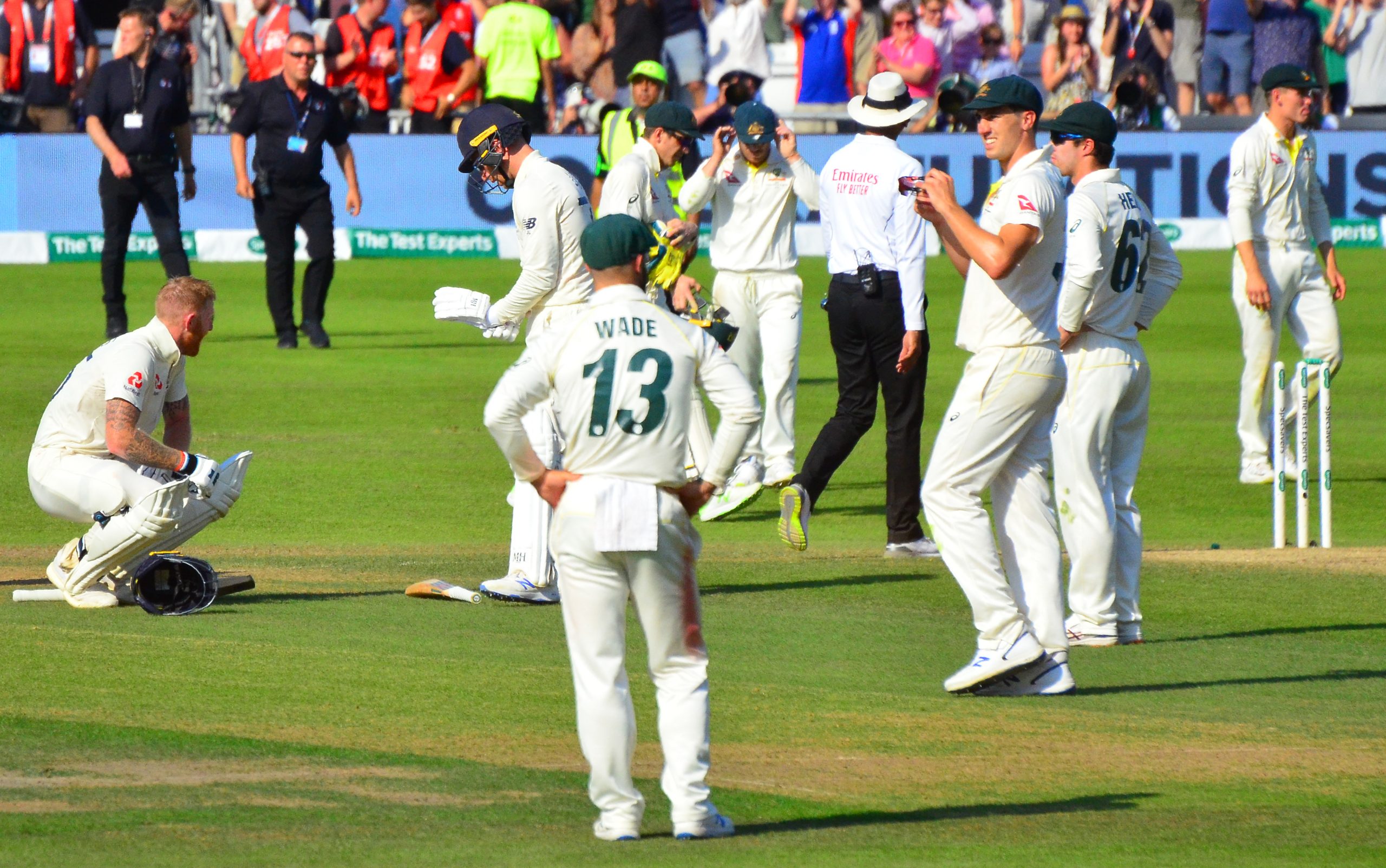
I often think about sport in this context. In 2005, England won the Ashes. I was at Trent Bridge for that incredible catch from Andrew Strauss, then the run-out that Ricky Ponting didn’t like. I was at Old Trafford for Michael Vaughan’s 100.
Famously, I wasn’t at the last day at Edgbaston despite having tickets, as I thought it would wrapped up in no time. So we watched at home and my wife was calm while I was jumping up and down. I remember thinking, ‘We’ll see what happens,’ and sitting down to watch. The tension, the pressure, the team dynamics, it was a perfect lesson in human behavior under stress. When the final wicket fell, I danced around, went wild, then started laughing at myself for not going to one of the most gripping finales. Those experiences taught me a lot about leadership, motivation, and how people respond to pressure, and I bring that into my work every day.
Some players are chaos incarnate. Their heads are filled with their own ambitions, and they can’t see the bigger picture. They need careful management to thrive, otherwise it’s chaos. The same goes for some of my team members: if you don’t understand what makes them tick, if you don’t pair them correctly and motivate them in the right way, the project suffers.
My goal is to make the people working for me feel valued and appreciated, whether it’s through a simple check-in, a thank-you at the end of the week or letting them know I noticed their effort. It doesn’t take long, but it makes a difference in morale and consistency. That’s why my team tends to stick around.
Keeping updated with standard specs and manufacturer guidance doesn’t have to be complicated. I don’t spend hours in literature or at exhibitions. I have reps who visit regularly, and I consider them friends. They give me the lowdown on new products, advice on what’s worth trying and sometimes samples. I test things out with the crew, gather feedback and decide whether it’s a good fit. I take them out of their comfort zone occasionally, but always with a safety net. That’s how I keep the team sharp and the quality high.
Floor prep and adhesives are the backbone of any job. Fast-set screeds may look tempting, but conditions are everything. Too dry or too damp, and it ruins the finish. I factor in drying and walk-on times at the quotation stage so there’s no rush or shortcuts. Proper planning and patience are essential. I know how products behave and aim to balance speed and quality. I’ve been caught out before and seen fast-set products fail, so now I plan conservatively. It’s about being realistic, not cutting corners.
I’ve learned the importance of experience on the ground. Some installers need direction, while others can run with a project. I’ve got people I trust to manage themselves, freeing me up to focus on other things, checking in, mentoring and troubleshooting where needed. It’s not about doing it all myself, it’s about assembling the right team and giving them space to perform.
I don’t advertise for domestic work, but occasionally we do jobs for existing clients. Homeowners expect perfection, and rightly so. It takes extra time and care, but seeing their appreciation, and knowing the work reflects well on the company, is rewarding. It reinforces my focus on every project: attention to detail, preparation and making sure people feel supported.
At the end of the day, it comes back to people. It’s about understanding who you’re working with, how to motivate them and how to keep quality consistent. It’s not just about following instructions, it’s about leadership, empathy and experience. A well-prepared team delivers the best results, and that’s what I focus on every day. IMAGE CREDIT: BEN SUTHERLAND, WIKIMEDIA COMMONS